
- May 27, 2026
- By Samuel S
- In Oils
- Tags Oil Filter, Oil Filter Change
- 1153
- 0
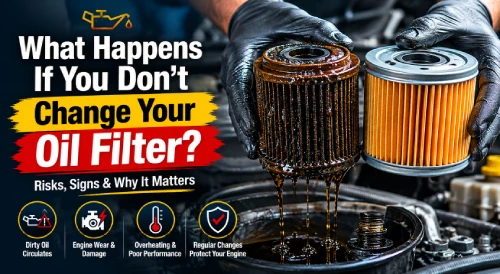
“Learn what happens if you skip an oil filter change, including engine damage risks, sludge buildup, and performance issues. Expert tips from Master Auto Body.”
An oil filter change is one of the simplest but most important parts of vehicle maintenance. Yet many drivers overlook it until problems start showing up under the hood.
If you don’t replace your oil filter regularly, your engine oil becomes contaminated, circulation weakens, and long-term damage can build up quietly. For drivers relying on daily transportation, especially those visiting shops like Master Auto Body (newmasterauto.com) for routine maintenance and auto engine repair, understanding this small component can prevent major repair bills later.
Let’s break down exactly what happens when the oil filter is ignored—and why it matters more than most people think.
Your oil filter’s job is simple but critical: it cleans engine oil by trapping dirt, metal particles, and combustion debris.
When working properly, it helps:
When it fails or gets clogged, the entire lubrication system is affected.
Skipping an oil filter change doesn’t cause instant failure—but damage builds over time. Here’s what actually happens inside your engine.
A clogged filter can no longer trap contaminants effectively. Dirt and metal particles begin circulating through the engine again, increasing wear on parts like pistons and bearings.
As the filter clogs, pressure builds up. Eventually, the filter’s bypass valve may open, allowing unfiltered oil to flow through the engine just to keep it running.
Old, contaminated oil thickens into sludge. This blocks oil passages and prevents proper lubrication.
Without clean, steady oil flow:
Over time, poor lubrication and contamination can lead to:
In some cases, engines can even fail completely if maintenance is neglected long enough.
You don’t always have to wait for failure. Watch for these warning signs:
These symptoms often indicate restricted oil flow or contamination buildup.
An oil filter change is usually done together with an oil change because both work as a system.
Benefits of regular replacement:
Most experts recommend replacing the filter at every oil change to maintain proper engine protection.
Many engine problems come from simple maintenance mistakes:
These small decisions can shorten engine life significantly.
From a repair perspective, engine damage caused by oil neglect is often gradual but expensive. What starts as a clogged filter can eventually turn into full engine overhaul work.
That’s why professional shops like New Master Auto Body in Duluth, GA emphasize preventive maintenance alongside auto engine repair services. Addressing small issues early is always more affordable than rebuilding an engine later.
Skipping an oil filter change might seem harmless at first, but over time it can lead to serious engine problems like sludge buildup, poor lubrication, and even engine failure. Staying consistent with maintenance is the easiest way to protect your vehicle and avoid expensive repairs.
If your car is showing signs of engine trouble or it’s been a while since your last service, professional help is always the safest option. Contact New Master Auto Body for reliable inspection and auto engine repair services in Duluth, GA, and keep your engine running at its best.
A clogged filter allows dirty oil to circulate, increasing engine wear and risking serious internal damage over time.
Yes. It can restrict oil flow or allow unfiltered oil to pass through, which accelerates engine wear.
Most manufacturers recommend replacing it every time you change your engine oil.
Common signs include low oil pressure, engine noise, overheating, and reduced performance.
It’s not recommended. A dirty filter can contaminate fresh oil and reduce its effectiveness.
Master Auto Body advises regular oil and filter changes as part of routine maintenance to prevent engine damage and ensure long-term vehicle reliability.


